
The Rich and Flavorful Cuisine of Southern Italy
La cucina dell’Italia meridionale è una ricca combinazione di tradizione, ingredienti freschi e influenze mediterranee. Dalle famose pizze di Naples ai piatti di pesce della Costiera Amalfitana fino ai sapori intensi della Sicily, la cucina del Sud Italia riflette secoli di storia culturale e orgoglio regionale. Conosciuta per la sua semplicità e autenticità, questa tradizione culinaria celebra l’olio d’oliva, i pomodori, la pasta fatta a mano, il pesce fresco e le ricette di famiglia tramandate di generazione in generazione, dando vita a una delle cucine più amate al mondo.
The cuisine of Southern Italy is a vibrant celebration of history, geography, and tradition. Stretching from Naples to the island of Sicily, the region is known for its bold flavors, fresh ingredients, and recipes passed down through generations. Influenced by Greek, Arab, Spanish, and Mediterranean cultures, Southern Italian food reflects centuries of cultural exchange while remaining deeply rooted in local identity.
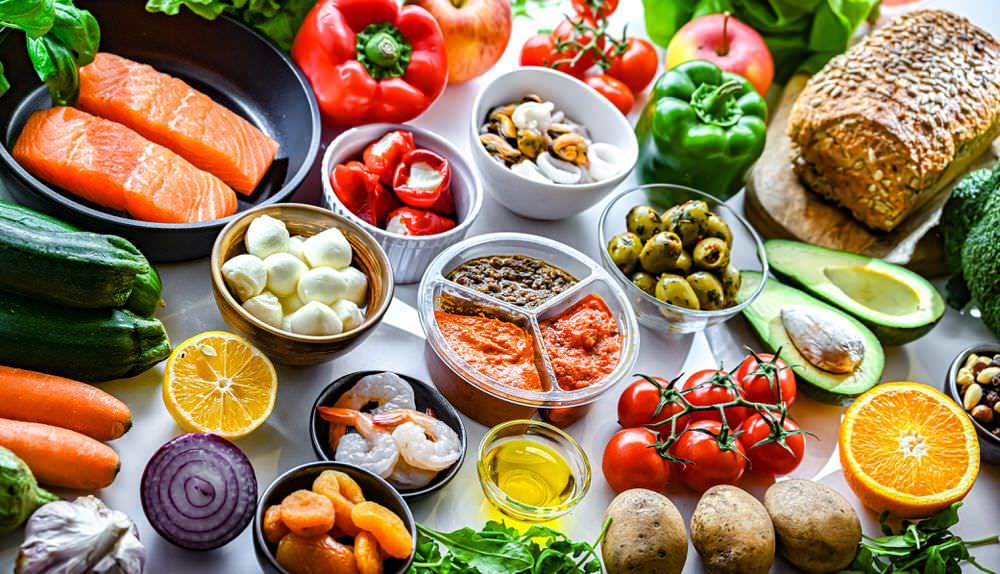
One of the defining features of Southern Italian cuisine is its simplicity. Many dishes rely on a small number of high-quality ingredients, allowing natural flavors to shine. Olive oil, tomatoes, garlic, basil, eggplant, seafood, citrus fruits, and fresh cheeses are staples found throughout the region. The warm climate and fertile volcanic soil provide ideal conditions for growing produce that forms the foundation of many traditional recipes.
Perhaps no city represents Southern Italian cuisine more famously than Naples, the birthplace of pizza. Traditional Neapolitan pizza is known for its soft crust, simple tomato sauce, fresh mozzarella, and wood-fired preparation.
Pizza Margherita, topped with tomatoes, mozzarella, and basil to represent the colors of the Italian flag, remains one of the world’s most beloved dishes. Naples is also famous for street foods such as fried pizza, arancini, and sfogliatella pastries filled with sweet ricotta cream.
Seafood plays a central role in the cuisine of coastal regions such as Amalfi Coast and Calabria. Fresh anchovies, octopus, clams, mussels, and swordfish are commonly featured in pasta dishes and grilled specialties. Along the Amalfi Coast, lemons are celebrated not only for their flavor but also for the production of limoncello, the region’s iconic lemon liqueur.
In Puglia, often called the “breadbasket” of Italy, cuisine centers around handmade pasta, olive oil, and rustic breads. Orecchiette pasta, shaped like small ears, is traditionally served with broccoli rabe, garlic, and olive oil. Burrata cheese, creamy on the inside and delicate on the outside, originated in this region and has become internationally popular.
The island of Sicily offers one of the most diverse culinary traditions in Italy. Arab influences introduced ingredients such as almonds, citrus, raisins, saffron, and spices, creating dishes unlike those found elsewhere in the country. Sicilian cuisine is famous for arancini, cannoli, caponata, and pasta alla Norma, a dish made with eggplant, tomatoes, ricotta salata, and basil. Desserts are especially important in Sicily, where sweet pastries reflect centuries of cultural blending.
Southern Italy is also known for its strong connection between food and family. Meals are often long social gatherings where recipes and traditions are shared across generations. Sunday lunches, local markets, and village festivals continue to play an important role in preserving culinary heritage.
What makes Southern Italian cuisine truly special is its authenticity. The food is deeply tied to the land, the sea, and the rhythms of everyday life. Whether enjoying fresh seafood beside the Mediterranean, handmade pasta in a countryside village, or a simple slice of Neapolitan pizza, dining in Southern Italy is more than a meal — it is an experience shaped by culture, history, and passion.
Today, the flavors of Southern Italy continue to influence kitchens around the world. Yet the heart of the cuisine remains in its villages, coastal towns, and family tables, where traditional recipes continue to tell the story of Southern Italy’s rich and enduring culinary identity.