
On the Cover: Sardegna (Sardinia)
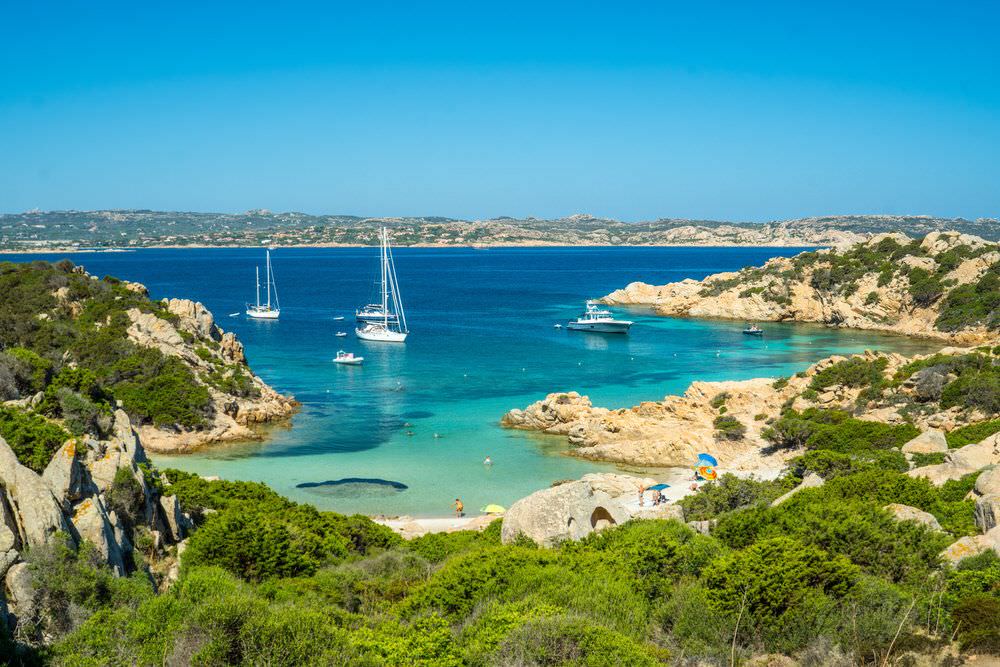
Located in the heart of the Mediterranean Sea, Sardinia is one of Europe’s most captivating islands. Known for its turquoise waters, rugged mountains, ancient history, and unique culture, Sardinia offers far more than a typical beach destination. Though it belongs to Italy, the island has a distinct identity shaped by centuries of isolation, foreign influence, and local tradition.
Sardinia is the second largest island in the Mediterranean after Sicily. Its geography is remarkably diverse. Along the coast, travelers encounter white-sand beaches and crystal-clear seas that rival the Caribbean. Inland, the terrain shifts dramatically into rolling hills, forests, and mountain ranges such as the Gennargentu massif.
The island’s coastline stretches for more than 1,100 miles, featuring hidden coves, dramatic cliffs, and famous resort areas like the Costa Smeralda. This northeastern coast attracts visitors from around the world with luxury hotels, sailing culture, and glamorous nightlife. Yet many parts of Sardinia remain untouched and peaceful, preserving an atmosphere of authenticity rare in modern tourism.
Sardinia’s history stretches back thousands of years. One of its most mysterious legacies is the Nuragic civilization, which flourished between 1800 and 500 BCE. The Nuragic people built thousands of stone towers called nuraghi, many of which still stand today across the island.
The most famous archaeological site is Su Nuraxi di Barumini, a UNESCO World Heritage Site. These ancient structures continue to fascinate historians because many aspects of Nuragic society remain unknown.
Over the centuries, Sardinia was influenced by Phoenicians, Romans, Byzantines, Spaniards, and Italians. Each civilization left traces in the island’s architecture, language, cuisine, and traditions. Medieval towns, Roman ruins, and Baroque churches coexist across the island, creating a living timeline of Mediterranean history.
Despite being part of Italy, Sardinia maintains a strong cultural identity. Many Sardinians speak Sardinian (Sardu), a Romance language distinct from Italian. Traditional music, dance, and festivals remain central to community life, especially in rural villages.
One of the island’s most celebrated events is the Carnival of Mamoiada, where participants wear ancient masks and costumes that may date back to pre-Christian rituals. Sardinian craftsmanship is also highly respected, particularly weaving, ceramics, jewelry, and wood carving.
Hospitality is another defining feature of Sardinian culture. Meals are often long social gatherings centered on local ingredients and family traditions.
Sardinian cuisine reflects both the island’s pastoral traditions and its maritime environment. Fresh seafood is abundant along the coast, while inland communities are known for sheep farming and rustic dishes. Among the island’s signature foods are: porceddu, roasted suckling pig cooked slowly over an open fire; pane carasau, a thin, crispy flatbread once carried by shepherds; culurgiones, stuffed pasta resembling small dumplings, pecorino sardo, a flavorful sheep’s milk cheese exported worldwide.
Sardinia is also recognized for its exceptional wine production, including Cannonau wine, which some researchers associate with the island’s unusually high number of centenarians.
Sardinia has attracted global scientific attention because parts of the island belong to one of the world’s “Blue Zones,” regions where people commonly live beyond 100 years. Researchers studying longevity point to several contributing factors: a Mediterranean diet, strong family connections, daily physical activity, and reduced stress in rural communities.
Villages in central Sardinia, particularly in mountainous regions, have become important centers for aging and health research.
Tourism plays a major role in Sardinia’s economy, especially during the summer months. Visitors come for sailing, diving, hiking, archaeology, and culinary experiences. However, the island has increasingly emphasized sustainable tourism to protect its delicate ecosystems and cultural heritage.
Nature reserves such as the La Maddalena Archipelago National Park showcase Sardinia’s commitment to conservation. Protected marine areas preserve biodiversity while allowing responsible tourism activities.
Sardinia is more than a beach destination; it is a place where history, culture, and nature intertwine. From prehistoric stone towers to vibrant coastal towns, the island offers experiences that appeal to travelers seeking beauty, authenticity, and discovery. Its unique identity, shaped over millennia, continues to make Sardinia one of the Mediterranean’s most extraordinary destinations.